


“Maybe you don’t know what I’m talking about now but believe me you will when it’s over. You will when it’s over” – Apollo Creed – Rocky IV (Rest in Peace Carl Weathers)
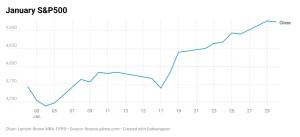
We still have a few challenges ahead. The Federal Reserve (Fed) has signaled it will not raise interest rates on reserves and that a cut in interest rates was not imminent.
An interesting fact, in 2008 the Fed changed how it carries out monetary policy. Now instead of changing the reserve requirements of banks, the Fed has incentivized banks to maintain higher reserves by raising the interest paid on reserves.
It feels good to see the rise but it’s not time to lose sight of all the challenges ahead.

In this month’s edition:
- To Roth or Not To Roth?
- Trust Vs. Will
- The Finish
- Recent Blog Post
To Roth or Not To Roth?
The new craze sweeping the land has been “Should I or Shouldn’t I contribute to a Roth 401K?” This is a great question with many valid options, but the quick answer is “It Depends”.
Should I Use Roth 401K?
As most companies roll out Roth 401K options I’ve been peppered with the question “Should I be contributing to my Roth 401K?”. At first glance, this makes total sense. Pay taxes now and receive tax-free money later. As you peel back the onion there are several things to consider when making the decision.
Changing your contributions from Pre-Tax 401k to Roth 401K will increase your taxable income. Your pre-tax contributions are reducing your taxable income now which for most means more money in your bank account now. Changing to Roth contributions would increase your taxable income possibly reducing your monthly income and potentially increasing your taxes due at the end of the year.
Consider this when you make pre-tax 401K contributions you receive an “above-the-line” deduction. Unlike, below-the-line deductions, “above-the-line” deductions reduce your taxable income dollar for dollar.
Choosing pre-tax contributions over Roth contributions works best if you expect your income to reduce in retirement. During your working years, you are earning the most and paying higher taxes on each dollar you earn. Fast forward to retirement, and now you are earning less, so you are taking money out of your pre-tax savings at a potentially lower tax rate. Currently, tax rules allow you to convert all or a portion of your pre-tax savings to Roth. Ideally, you could do a Roth conversion when your income is lower. In this scenario, you saved on taxes while working and potentially reduced the taxes you paid when you converted to a Roth in retirement.
The decision to contribute to a Roth 401K versus Pre-tax 401K is a decision that isn’t straightforward. Consider your current and future taxes, and your long-term goals before leaping.
Trust/Will
What’s the difference between a trust and a will? Simply, a Trust establishes a separate entity that can own assets, pay taxes, and carry out your wishes in your absence or incapacity. A will on the other hand is a directive telling everyone what to do with your stuff upon your death. An important distinction is that a trust can survive your death. So, if you want to leave specific assets to a child that they can’t receive until they are 30 and have joined the Marine Corps (I digress) this could be an option. Also, a trust could potentially make the transfer of assets smoother as you could place items in trust before your death.
The Finish
The year is off to a good start in more ways than one! Now that the tax season has started, please look out for end-of-year statements and if you have any questions please call or schedule a time to connect.
-Lamont
Principal Wealth Advisor


